
Traditional Chinese Medicine (TCM) has a thousand-year history and offers a unique approach to health and the body's balance. One of the best-known TCM ingredients – cordyceps (Cordyceps sinensis) – has been used for centuries in traditional Chinese medicine. In this article we introduce Fohow company's products, which combine the wisdom of traditional Chinese medicine with modern technologies.

Contents
What is Fohow?
Fohow Health Technology Co., Ltd. is an international company specialising in the production of high-quality health products based on the principles of traditional Chinese medicine. The company operates in more than 100 countries and is recognised for its strict quality standards and innovative manufacturing technologies.
Fohow products are made using patented technologies that preserve the quality of the raw material. All products meet international quality standards (GMP, ISO).
Traditional Chinese medicine – thousand-year wisdom
Cordyceps: "Himalayan Gold"
Cordyceps is a unique fungus that grows naturally on the Tibetan Plateau, at an altitude of more than 3500 metres. In traditional Chinese medicine it is considered one of the most valuable ingredients and is called "Himalayan Gold" because of its rarity and its exceptional properties.

Active substances in cordyceps:
a unique active substance found in cordyceps
a natural compound found in cordyceps
carbohydrates found in cordyceps
a natural component of cordyceps
B group vitamins, vitamin E, trace elements
Products covered in this article


€184,10 €204,60
Fohow Oral Cordyceps
Fohow Oral Cordyceps – a liquid cordyceps preparation in drinking vials.
Fohow Oral Cordyceps at a glance:
Form
liquid, drinking vials
Composition
cordyceps extract
Origin
cordyceps from the Tibetan plateau
Intended for
adults
Tradition
valued in Chinese culture for centuries
Complements
the everyday diet
Usage recommendations:
Fohow Oral Cordyceps is recommended in the morning, on an empty stomach, 1-2 bottles per day. The course lasts 30-60 days, depending on individual needs.
Fohow Linchzhi (Ganoderma) Capsules
Fohow Linchzhi capsules are another valuable Fohow product, made from the spores of the Ganoderma (Reishi) mushroom. Ganoderma, known in Chinese medicine as the "mushroom of immortality", is one of the most extensively researched mushrooms in the world.

Fohow Linchzhi at a glance:
Form
capsules
Composition
Ganoderma (Reishi) mushroom spores
Origin
the Ganoderma lucidum mushroom
Tradition
called the “mushroom of immortality” in Chinese medicine
Intended for
adults
Complements
the everyday diet
Traditional Chinese medicine and modern science
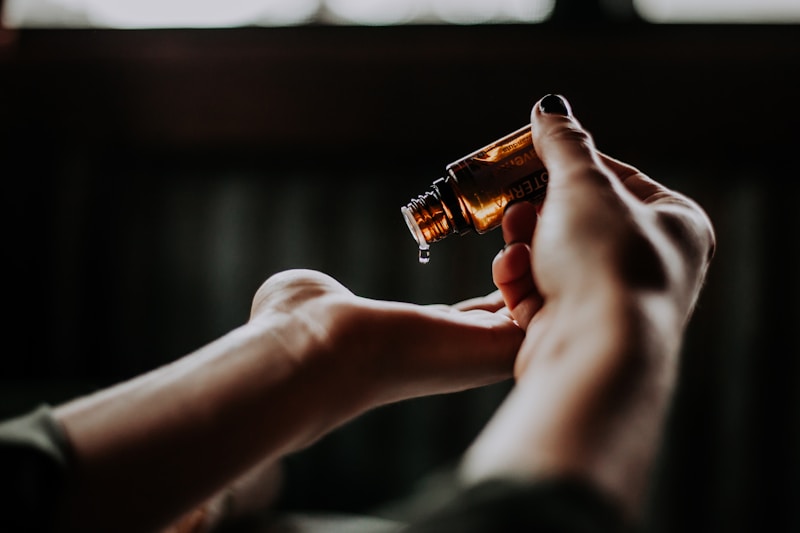
Modern science is taking an increasing interest in the plants and fungi used in traditional Chinese medicine. Studies of cordyceps and ganoderma are published in prestigious scientific journals.
Fohow invests in scientific research and works with universities and research centres to ensure the quality of its products.
Who are Fohow products recommended for?
Fohow cordyceps and ganoderma products suit a wide range of people:
Active people
who want to vary their everyday diet
Older adults
interested in traditional Eastern products
Interested in traditional Chinese medicine
who want to try traditional mushroom supplements
Mushroom-supplement enthusiasts
looking for cordyceps and ganoderma
Athletes
who want to supplement their daily diet during periods of intense training


Cordyceps – a mushroom valued in traditional Chinese medicine
Combining Fohow with peptides
Fohow products go well with peptide bioregulators. For example:
Fohow cordyceps + Kristagen – a traditional and a peptide supplement together
Fohow Linchzhi + Chelohart – two supplements together
Fohow cordyceps + Cerluten – complementing the everyday diet
Discover Fohow products inspired by traditional Chinese medicine in our store.
Sources
- 1.Zhu, J.S., Halpern, G.M., Jones, K. "The Scientific Rediscovery of an Ancient Chinese Herbal Medicine: Cordyceps sinensis." The Journal of Alternative and Complementary Medicine, Vol. 4, No. 3, 1998, pp. 289–303.
- 2.Paterson, R.R.M. "Cordyceps – A traditional Chinese medicine and another fungal therapeutic biofactory?" Phytochemistry, Vol. 69, No. 7, 2008, pp. 1469–1495.
- 3.Chen, S., et al. "Genome sequence of the model medicinal mushroom Ganoderma lucidum." Nature Communications, Vol. 3, 2012, Art. 913.
- 4.Khavinson, V.Kh. “Peptides and Ageing.” Neuroendocrinology Letters, Vol. 24, No. 3-4, 2003, pp. 144–149.
- 5.World Health Organization (WHO) – Traditional Medicine Strategy 2014-2023.


