
Peptidai – tai trumpos aminorūgščių grandinės, kurios atlieka gyvybiškai svarbų vaidmenį žmogaus organizme. Skirtingai nuo baltymų, kurie susideda iš ilgų aminorūgščių grandinių (daugiau nei 50), peptidai yra trumpesni – paprastai nuo 2 iki 50 aminorūgščių. Jie yra tarsi biologiniai raktai, atrakantys specifines ląstelių funkcijas ir reguliuojantys daugybę fiziologinių procesų. Šiame straipsnyje paaiškinsime, kas yra peptidai, kaip jie veikia ir kodėl peptidų bioregulatoriai tampa vis populiaresniu sveikatos palaikymo būdu.

Turinys
Kas yra peptidai?
Peptidai – tai molekulės, sudarytos iš dviejų ar daugiau aminorūgščių, sujungtų peptidiniais ryšiais. Skirtingai nuo baltymų, kurie susideda iš ilgų aminorūgščių grandinių (daugiau nei 50), peptidai yra trumpesni – paprastai nuo 2 iki 50 aminorūgščių. Būtent dėl savo mažo dydžio peptidai gali lengvai prasiskverbti per ląstelių membranas ir tiesiogiai veikti genų ekspresijos procesus.
Žmogaus organizme peptidai gamina natūraliai – jie reguliuoja hormonų veiklą, imuninę sistemą, virškinimą, nervų sistemos funkcijas ir daugelį kitų procesų. Tačiau su amžiumi peptidų gamyba natūraliai mažėja.
Peptidų tyrimai šiuolaikinėje laboratorijoje
Straipsnyje aptariami produktai

€184,10 €204,60

€184,10 €204,60

€144,00 €160,00
Peptidų bioregulatoriai: mokslinė perspektyva
Peptidų bioregulatorių koncepcija buvo sukurta profesoriaus Vladimiro Chavinsono (Vladimir Khavinson) ir jo komandos Bioreguliacijos ir gerontologijos institute. Per daugiau nei 40 metų mokslinių tyrimų buvo ištirti tūkstančiai peptidų ir jų poveikis organizmui.
Prof. Chavinsonas atrado, kad kiekvienas organas ir audinys turi specifinius peptidus, kurie reguliuoja to organo funkcijas. Kai šie peptidai vartojami kaip maisto papildai, jie veikia kaip „informaciniai pasiuntiniai" – perduoda signalus konkrečioms ląstelėms ir padeda palaikyti įprastą organų veiklą.
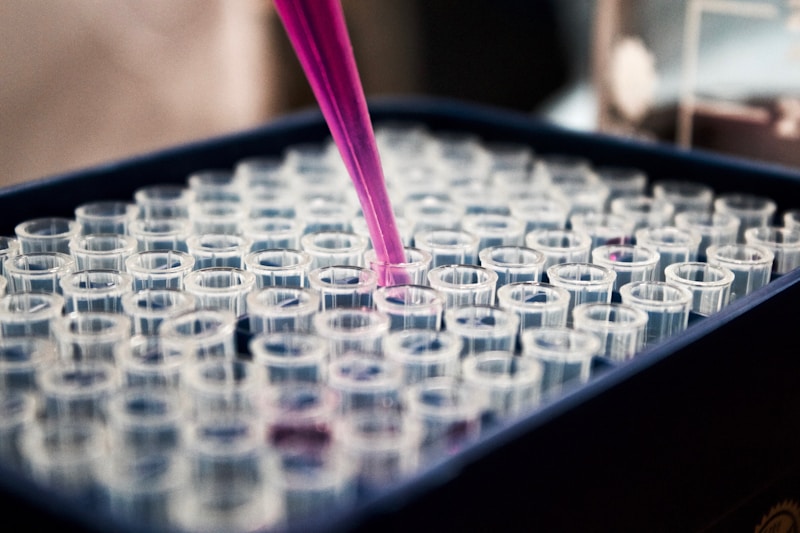
Šie peptidai buvo tiriami daugybėje klinikinių tyrimų, kuriuose dalyvavo daugiau nei 15 milijonų žmonių. Tyrimų rezultatai paskelbti prestižiniuose moksliniuose žurnaluose ir pripažinti tarptautinės mokslo bendruomenės.


Kaip veikia peptidų bioregulatoriai?
Peptidų bioregulatorių veikimo mechanizmas pagrįstas keliais pagrindiniais principais:
Organų specifika
kiekvienas peptidų preparatas veikia konkrečius organus ar audinius. Pavyzdžiui, Cerluten skirtas smegenų ir nervų sistemos palaikymui, o Chelohart – širdies raumenio funkcijai.
Genų reguliacija
peptidai sąveikauja su DNR ir reguliuoja baltymų sintezę, padėdami ląstelėms atlikti savo funkcijas optimaliai.
Ląstelių atsinaujinimas
padeda palaikyti įprastus ląstelių atsinaujinimo procesus.
Palaikymas bėgant metams
skirti padėti palaikyti įprastą organų veiklą, kuri natūraliai kinta su amžiumi.
Pagrindinės peptidų bioregulatorių grupės
Peptidų bioregulatoriai skirstomi į kelias pagrindines grupes pagal tai, kokius organus jie veikia:
Nervų sistema ir smegenys
Cerluten – smegenų ir centrinės nervų sistemos peptidai. Padeda palaikyti atminties, koncentracijos ir kognityvinių funkcijų sveikatą. Pinealon – sintetinis peptidas, skirtas smegenų funkcijoms palaikyti.
Širdis ir kraujagyslės
Chelohart – širdies raumenio peptidai. Ventfort – kraujagyslių sienelių peptidai. Vesugen – sintetinis kraujagyslių peptidas.
Imuninė sistema
Kristagen – sintetinis imuninės sistemos peptidas. Vladonix – užkrūčio liaukos peptidai, svarbūs imunitetui.
Skeleto-raumenų sistema
Sigumir – kremzlių ir kaulų audinių peptidai. Bonomarlot – kaulų čiulpų peptidai.


Peptidų vartojimo principai
Peptidų bioregulatoriai paprastai vartojami kursais. Rekomenduojama:
- check_circle Vartoti 1-2 kapsules per dieną prieš valgį
- check_circle Kurso trukmė – 30 dienų
- check_circle Kursą galima pakartoti kas 3-6 mėnesius
- check_circle Galima derinti kelis skirtingus peptidus vienu metu
- check_circle Peptidai paprastai gerai toleruojami
Kodėl verta rinktis peptidų bioregulatorius?
Peptidų bioregulatoriai siūlo unikalų požiūrį į sveikatą – jie padeda palaikyti normalią organų funkciją ląsteliniame lygmenyje. Jie yra:
gauti iš gyvulinės kilmės audinių arba sintetinti laboratorijoje
vartojami laikantis rekomenduojamos paros dozės
daugiau nei 40 metų mokslinių tyrimų ir patentų objektas
skirti suaugusiesiems, norintiems palaikyti įprastą organizmo veiklą
Kuo skiriasi citomaksai ir citogenai, kapsulės ir poliežuviniai lašai, rasite gide Kas tie peptidai?, o visus NPCRIZ peptidus su kainomis – kategorijoje NPCRIZ peptidai. Turite klausimų? Susisiekite su mumis.
Peržiūrėti NPCRIZ peptidus arrow_forwardŠaltiniai
- 1. Khavinson, V.Kh. "Peptides and Ageing." Neuroendocrinology Letters, Vol. 24, No. 3-4, 2003, pp. 144–149.
- 2. Khavinson, V.Kh., Malinin, V.V. Gerontological Aspects of Genome Peptide Regulation. Karger, Basel, 2005.
- 3. Khavinson, V. "Peptide regulation of aging: 35-year research experience." Bulletin of Experimental Biology and Medicine, Vol. 152, No. 1, 2011, pp. 7–12.
- 4. Bioreguliacijos ir gerontologijos institutas – mokslinės publikacijos ir klinikinių tyrimų duomenys (Institute of Bioregulation and Gerontology).
- 5. Khavinson, V.Kh., et al. "Epithalon peptide induces telomerase activity and telomere elongation in human somatic cells." Bulletin of Experimental Biology and Medicine, Vol. 135, No. 6, 2003, pp. 590–592.


